Why is my concrete driveway cracking in La Jolla
Concrete driveway cracking in La Jolla is almost always soil movement, salt air, tree roots, or heat cycling. Here's how to tell which one is hitting your slab.
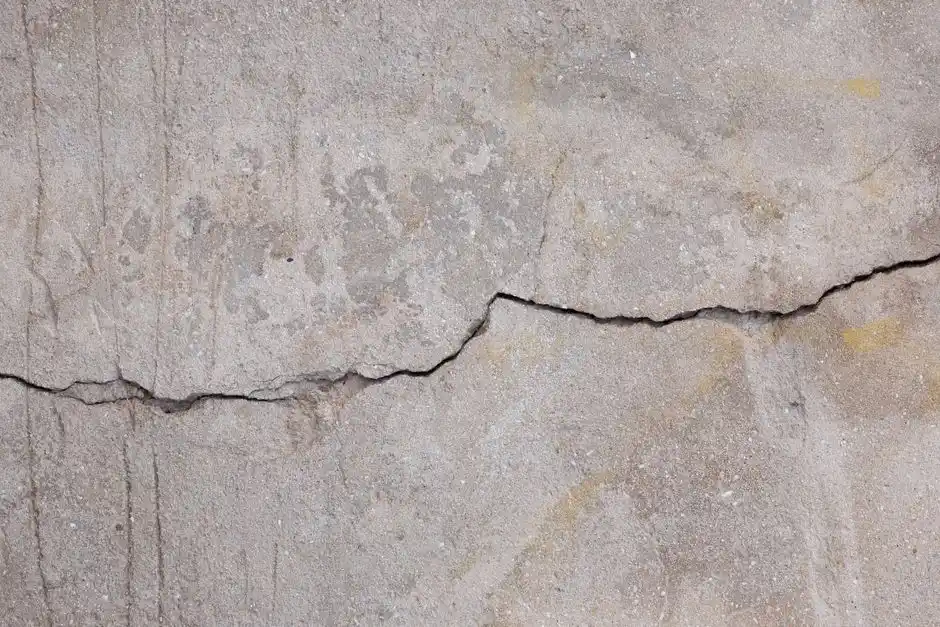
Your concrete driveway in La Jolla is cracking because the ground under it is moving, the coastal air is corroding it, or both. Most cracks we see in this town trace back to expansive clay soil, hillside slope creep, tree roots, or the daily thermal swing between cool marine air and direct afternoon sun. The rest of this post breaks down each cause, shows you what the crack pattern means, and explains what repair actually costs in 2026.
The short answer: why concrete driveway cracking in La Jolla happens
Concrete driveway cracking in La Jolla is a structural response to movement beneath or beside the slab, not a sign that concrete is a bad material. A driveway is only as stable as the soil it sits on, and La Jolla soil moves more than most of San Diego County.
Three forces do almost all the damage here. The first is soil expansion and contraction - the clay-heavy ground under many La Jolla lots swells when it absorbs water and shrinks when it dries. The second is slope creep, because so many driveways sit on the canyons and hillsides above the coast. The third is salt-laden marine air, which accelerates surface scaling and lets water into the slab where freeze-thaw and root pressure finish the job.
If you want the one-sentence version: your driveway is cracking because something under it moved, and the crack is where the slab relieved the stress.
La Jolla's soil, salt air, and slope are working against your slab
La Jolla sits on a mix of marine terrace deposits, weathered sandstone, and expansive clay, and that geology is the root cause of most driveway cracks we repair. The same hillside views that make this town worth living in are the reason your slab is under constant lateral pressure.
Expansive clay soil
When clay soil gets wet, it can swell 5 to 10 percent of its volume. Under a driveway, that translates to upward pressure measured in thousands of pounds per square foot. When the soil dries in summer, it shrinks back and leaves a void. The slab bridges the void, then drops. That cycle repeats every year, and concrete only flexes so many times before it cracks.
Hillside slope creep
Driveways on Mount Soledad and the canyon-rim streets above La Jolla Shores sit on ground that is slowly sliding downhill. It is measured in fractions of an inch per year, but over a decade that is enough to open a half-inch crack across a driveway. If your driveway runs downhill toward the street, slope creep is a prime suspect.
Salt air and marine moisture
Homes within a mile of the water - Bird Rock, Windansea, the Beach Barber Tract - deal with airborne chloride that eats into the surface paste of concrete. Once the surface is porous, water gets in, and any crack becomes a channel. We see surface scaling on coastal driveways roughly twice as fast as on inland La Jolla Mesa slabs.
Tree roots
Ficus, eucalyptus, and mature palms are common in La Jolla yards, and their roots run under driveways looking for water. A root the thickness of your thumb can lift a slab edge by a quarter inch, which is enough to crack the panel above it.
What do the crack patterns actually tell you?
The shape and direction of a crack tells you what is happening under the slab, and reading it correctly saves you from paying for the wrong fix. Here is how we diagnose them on site.
- Hairline cracks under 1/16 inch: usually shrinkage cracks from the original pour. Cosmetic, but seal them before winter rain.
- Diagonal cracks from a corner: classic corner lift from soil expansion. Common on La Jolla driveways with clay subgrade.
- Long cracks parallel to the driveway edge: slope creep or a failing edge support. Very common on hillside streets.
- Map cracking (web pattern): surface scaling from salt air or a bad original mix. The slab is still structurally sound.
- Offset cracks (one side higher): subgrade failure or a void under the slab. This is the one that needs a professional look.
- Cracks that reappear after patching: the underlying movement was never addressed.
If you are seeing offset cracks or cracks wider than a quarter inch, that is a structural problem, not a cosmetic one, and it usually points to the same soil movement that causes concrete foundation repair in La Jolla, California calls on nearby homes.
How do you fix cracks in a concrete driveway in La Jolla California?
Fixing cracks in a La Jolla driveway comes down to matching the repair to the cause - patching a moving slab without stabilizing the soil is money wasted. Here are the four options we use, from lightest to heaviest.
- Crack sealing and routing ($250-$600 for a typical two-car driveway in 2026). We route the crack into a clean channel, fill it with a flexible polyurethane sealant, and let it move with the slab. Best for hairline and shrinkage cracks.
- Slab lifting or mudjacking ($600-$1,800). We inject a structural foam or slurry under the slab to fill voids and raise settled panels back to grade. Fast, and no demolition.
- Partial panel replacement ($1,200-$3,500). When one section is beyond saving, we saw-cut it out and pour a new panel tied into the existing slab with dowels.
- Full driveway replacement ($9,000-$22,000 depending on size and access). The right call when more than 40 percent of the slab is compromised or the subgrade needs correction.
For most La Jolla homeowners with a handful of structural cracks, professional concrete driveway repair in La Jolla, California is the sensible middle path - it stabilizes what you have and buys you another 10 to 15 years before replacement.
How to prevent concrete driveway cracking in La Jolla
Preventing concrete driveway cracking in La Jolla is mostly about controlling water and giving the slab room to move. You cannot stop the soil from expanding, but you can keep it from expanding unevenly.
- Seal the surface every 3 to 5 years. A penetrating siloxane sealer keeps salt air and rain out of the pores. On coastal driveways, we recommend every 3 years.
- Keep water away from the slab edge. Extend downspouts at least 4 feet past the driveway, and fix any irrigation leaks under or beside it.
- Water the soil evenly in summer. A slow soak once a week during July and August reduces the shrink-swell cycle that cracks slabs.
- Control tree roots. Root barriers installed at the driveway edge cost $400-$900 and stop ficus and eucalyptus roots from lifting panels.
- Do not park heavy vehicles on hot afternoons. A loaded truck on a 90-degree slab adds stress to a surface that is already expanding.
- Fix small cracks before winter. Water that gets into a hairline crack in November becomes an offset crack by March.
If your driveway is on its last legs and prevention is no longer the question, a properly engineered concrete driveway installation in La Jolla, California with a reinforced subgrade and control joints will outperform a patch every time.
Common mistakes we see on La Jolla driveways
The mistakes that turn a small crack into a $15,000 replacement are almost always the same ones, and they are all avoidable. We see them on driveways across every neighborhood in town.
- Filling cracks with hardware-store caulk. It dries rigid, cracks again within a season, and traps water against the slab.
- Patching without addressing drainage. If water still pools at the crack, the patch will fail.
- Ignoring a settled panel. A one-inch drop becomes a two-inch drop once the void under it grows.
- Pouring new concrete over a failed slab. The new layer inherits the old movement and cracks in 18 months.
- Skipping control joints on a replacement. Concrete needs planned weak points, or it will make its own.
We see these most often on driveways we are called out to in Concrete services in Bird Rock, where the combination of coastal salt air and older 1960s slabs makes every mistake more expensive to undo.
When to call a professional
Call a professional when a crack is wider than a quarter inch, when one side of the crack is higher than the other, or when you can see the subgrade through it. Those three signs mean the problem is under the slab, not on it, and no surface patch will hold.
You should also call us if you are seeing cracks reappear within a year of a previous repair, if water is pooling against your garage foundation, or if the driveway has dropped more than an inch at the street. We walk the slab, check the grade, and tell you straight whether you are looking at a $400 seal or a $12,000 replacement. No pressure either way - we would rather fix the right thing once.
If your driveway is on a hillside lot, the calculus changes. Homes above the coast from Concrete services in Mount Soledad down to the Shores deal with slope movement that flat-lot driveways never see, and that often means slab lifting plus a drainage correction rather than a simple patch.
Frequently Asked Questions
Why does my concrete driveway crack in La Jolla?
Expansive clay soil, hillside slope creep, salt air, and tree roots are the four main causes. The soil under your slab swells when wet and shrinks when dry, and the crack is where the slab relieved that stress. Coastal homes see it faster because salt air weakens the surface.
How do I fix cracks in a concrete driveway in La Jolla California?
Hairline cracks get routed and sealed for $250-$600. Settled panels get lifted with structural foam for $600-$1,800. Cracks wider than a quarter inch or offset panels usually need partial replacement, running $1,200-$3,500 per section in 2026.
Is a cracking concrete driveway normal in La Jolla?
Hairline shrinkage cracks are normal on any slab and appear within the first year. Structural cracks - wider than a quarter inch, offset, or running the full width - are not normal and point to soil movement that needs to be addressed before it gets worse.
When should I repair a cracked concrete driveway in La Jolla?
Repair before the next rainy season, which in La Jolla starts around November. Water entering a crack in fall expands the damage through winter. If a crack is wider than a quarter inch or one side is higher, call now rather than waiting.
How much does driveway crack repair cost in La Jolla?
Typical 2026 pricing runs $250-$600 for crack sealing, $600-$1,800 for slab lifting, and $1,200-$3,500 for a partial panel replacement. Full driveway replacement on a two-car La Jolla driveway runs $9,000-$22,000 depending on slope and access.
Get help with Concrete services in La Jolla
We repair, lift, and replace cracked driveways across La Jolla - from the flats of the Village to the hillside streets above the Shores. If your driveway is cracking and you want a straight answer on whether it needs a $400 seal or a full replacement, call us at +1 (619) 984-1234 and we will take a look.