Preparing your concrete driveway for La Jolla rainy season
La Jolla's rainy season runs November through March. Here's how to seal, drain, and repair your concrete driveway before the first storm hits.
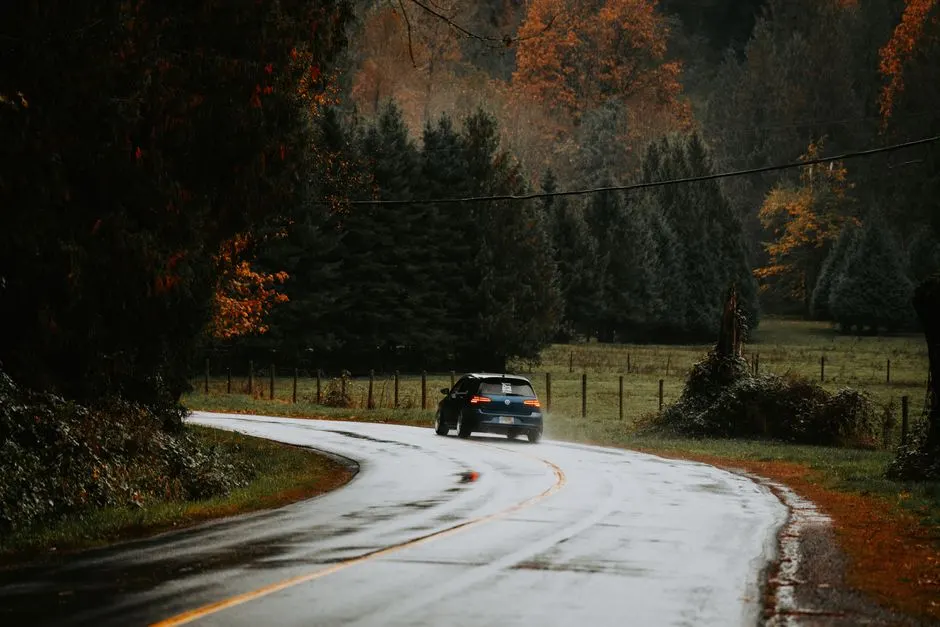
You prepare a concrete driveway for rainy season in La Jolla by sealing it before the first storm, clearing every drainage path, and repairing cracks wider than a credit card. Those three steps prevent the freeze-thaw and hydrostatic pressure damage that costs La Jolla homeowners $400 to $3,500 in repairs each spring.
La Jolla's rainy season runs November through March, and the first significant storm usually arrives by mid-December. That gives you a narrow window right now to get ahead of it. This guide covers what actually fails on coastal San Diego driveways, what sealing costs in 2026, and which repairs you can do yourself versus which ones need a crew.
Why La Jolla Concrete Driveways Fail During Rainy Season
La Jolla concrete driveways fail during rainy season because water enters existing cracks, saturates the subgrade, and expands when temperatures drop into the 40s overnight. That expansion pushes the slab up, and when it contracts, the crack widens. Repeat that cycle 30 to 40 times between December and March, and a hairline crack becomes a structural problem.
Coastal La Jolla adds two complications inland San Diego doesn't face. First, salt air accelerates surface deterioration - the top 1/8 inch of concrete in Bird Rock and Windansea Beach weathers faster than the same pour in Clairemont. Second, the marine layer keeps surfaces damp for hours after rain stops, so water sits on your driveway longer than it would five miles east.
We see this every winter across Concrete services in Bird Rock, where driveways built in the 1960s and 1970s are now hitting the end of their service life. The original 4-inch pours were fine for the cars of that era. They're not fine for a 6,000-pound EV sitting on saturated ground.
What actually causes the damage
- Hydrostatic pressure - water trapped under the slab pushes upward with 60+ psi, cracking the surface from below.
- Freeze-thaw cycles - La Jolla sees 25 to 40 nights below 45°F each winter, enough to cycle water in cracks.
- Poor original drainage - driveways graded flat or toward the house instead of the street.
- Tree roots - ficus and eucalyptus roots lift slabs 1/4 to 1/2 inch per year.
- Deferred sealing - unsealed concrete absorbs water at 5 to 10 times the rate of sealed concrete.
How do I prepare my concrete driveway for rainy season in La Jolla?
You prepare your concrete driveway for rainy season in La Jolla by working through four steps in order: inspect and mark damage, repair cracks and spalls, correct drainage, then seal. Doing them out of order wastes money - sealing over a crack that still leaks is like painting over rot.
Here's the sequence we use on every driveway we prep for winter:
- Inspect - walk the slab with a flashlight after dark. Shadows reveal cracks and settling you miss in daylight.
- Repair - fill cracks wider than 1/8 inch with polyurethane sealant, not hydraulic cement.
- Drain - confirm water flows away from the garage and foundation, not toward them.
- Seal - apply a breathable siloxane or acrylic sealer once the slab is fully dry for 48 hours.
If your driveway has settled more than 1 inch or has cracks wider than 1/4 inch, stop at step one and call us. Those are signs of subgrade failure that sealing won't fix.
Sealing Your Driveway Before the First Storm
Sealing a concrete driveway in La Jolla costs $350 to $900 for a typical two-car driveway in 2026, depending on square footage and whether we need to strip an old sealer first. That's a fraction of what a full replacement runs - $8,000 to $18,000 for the same driveway.
Timing matters more than most homeowners realize. You need three consecutive dry days with daytime temperatures above 55°F and no rain in the 24-hour forecast after application. In La Jolla, that window usually closes by early December. If you're reading this in November, you're in it.
Two sealer types work on coastal driveways:
- Siloxane penetrating sealer - soaks into the concrete and blocks water vapor. Lasts 5 to 7 years. Best for driveways that need to stay breathable.
- Acrylic film-forming sealer - sits on top and gives a slight sheen. Lasts 2 to 4 years. Better for decorative and stamped concrete in La Jolla, California where you want to protect the color.
We don't recommend epoxy sealers on exterior driveways in La Jolla. They trap moisture, yellow under UV, and peel within 18 months in coastal conditions.
What sealing does and doesn't do
Sealing stops water absorption and slows surface deterioration. It does not fix structural cracks, correct drainage, or level a settled slab. If your driveway has any of those problems, repair comes first - sealing is the last step, not the first.
Fixing Drainage Problems That Cause Water Damage
Poor drainage causes more concrete driveway damage in La Jolla than any other single factor. Water that pools against your garage door or foundation finds its way into cracks, joints, and the soil beneath the slab. Over one rainy season, that's enough to cause visible settlement.
Walk your driveway during the next rain and watch where water goes. If it pools anywhere for more than 20 minutes after the rain stops, you have a drainage problem. Common fixes range from $150 for a simple channel drain to $2,800 for regrading and a new French drain system.
Three drainage issues we correct most often:
- Negative slope toward the house - the driveway was poured flat or sloped the wrong way. Fix requires either a topping slab or partial replacement.
- Clogged expansion joints - joints filled with dirt and debris can't channel water. Cleaning and re-sealing joints costs $200 to $500.
- No outlet at the street - the driveway ends in a curb with no gap, so water backs up. A concrete saw cut and channel drain solves it.
If your driveway drains into a concrete retaining wall installation in La Jolla, California area, check the wall's weep holes. Blocked weep holes turn a retaining wall into a dam, and the water has to go somewhere - usually under your driveway.
Repairs to Make Before Rain Hits
Repairs made before rainy season cost 30 to 50 percent less than the same repairs made in spring, because we're not working around saturated concrete and active leaks. A crack that costs $180 to seal in November can turn into a $1,400 slab section replacement by March.
Here's what to fix now, in priority order:
- Cracks wider than 1/8 inch - clean, prime, and fill with polyurethane sealant. DIY cost: $30 to $80 in materials.
- Spalling and surface flaking - indicates the top layer is separating. Needs a resurfacing overlay, $3 to $7 per square foot.
- Settled sections - mudjacking or polyurethane foam lifting runs $600 to $1,800 per section.
- Crumbling edges - usually from poor original forming. Edge repair costs $200 to $600.
- Joint failure - expansion joints that have opened up need re-caulking before water gets under the slab.
If your driveway has multiple issues across more than 25 percent of its surface, a full concrete driveway repair in La Jolla, California assessment is worth the visit. Sometimes repair is the right call. Sometimes replacement is cheaper over a 10-year window. We'll tell you which one honestly.
What to Watch Out For
Most driveway damage we see in spring was preventable in fall. These are the mistakes that cost La Jolla homeowners the most money:
- Sealing over a wet slab. Concrete needs 48 hours of dry time before sealer goes down. Sealing damp concrete traps moisture and causes the sealer to peel within months.
- Using hydraulic cement on moving cracks. It's rigid. When the slab moves, the patch cracks again. Polyurethane sealant flexes with the slab.
- Ignoring small cracks until spring. A 1/16-inch crack in November is a 1/4-inch crack in March. Water does the work for you.
- Pressure washing before sealing. It forces water into the slab. If you pressure wash, wait a full week before sealing.
- Letting leaves and debris pile up. A 2-inch layer of wet leaves against your garage door holds moisture on the concrete for weeks.
- Skipping the drainage check. Sealing a driveway that still drains toward the house just means the water sits on a waterproof surface instead of soaking in. It still finds the foundation.
The single biggest mistake is waiting until the first storm to think about it. By then, you're reacting, not preparing.
When to Call a Professional
Call a professional when your driveway has settled more than 1 inch, when cracks are wider than 1/4 inch, when water pools against your foundation, or when you're not sure whether the problem is surface-level or structural. Those are the cases where DIY sealing and patching waste money.
Our team handles the full prep sequence - inspection, crack repair, drainage correction, and sealing - in a single visit for most La Jolla driveways. We work across the coastal neighborhoods, from Concrete services in La Jolla Shores to the hillside properties above the Village, and we schedule around the weather window so your sealer cures properly.
If you're not sure whether your driveway needs work before rainy season, we'll come look at it. No charge for the assessment, and we'll tell you straight whether it's a DIY job or a crew job.
Frequently Asked Questions
How do I prepare my concrete driveway for rainy season in La Jolla?
Inspect for cracks and settling, repair any crack wider than 1/8 inch, clear drainage paths, and apply a breathable sealer at least 48 hours before rain. Do the work in October or November - La Jolla's rainy season starts in December and the sealing window closes fast.
Should I seal my concrete driveway before rain in La Jolla California?
Yes, if the slab is at least 28 days old, dry, and free of structural damage. Sealing before rainy season reduces water absorption by 80 to 90 percent and costs $350 to $900 for a typical driveway. Don't seal over cracks or a wet slab - fix those first.
What causes concrete driveway damage in La Jolla rainy season?
Water entering cracks, hydrostatic pressure under the slab, freeze-thaw cycles on 25 to 40 cold nights, and poor drainage that pools water against the foundation. Coastal salt air accelerates surface wear. Most damage we see in spring traces back to a crack that was ignored in fall.
When to repair concrete driveway before rainy season in La Jolla?
Repair in October or early November, before the first significant storm. Cracks, spalling, and settled sections should all be addressed by mid-November. Repairs made before rain cost 30 to 50 percent less than the same work done in spring on saturated concrete.
How much does concrete driveway sealing cost in La Jolla?
Typical 2026 pricing in La Jolla runs $350 to $900 for a two-car driveway, depending on square footage and whether old sealer needs stripping. Penetrating siloxane sealers last 5 to 7 years; acrylic sealers last 2 to 4 years and need more frequent reapplication.
Get help with Concrete services in La Jolla
We prep driveways across La Jolla before every rainy season, and we're booking November and early December appointments now. If you want your driveway sealed, drained, and repaired before the first storm, call us at +1 (619) 984-1234.